Learner Inclinations — GEC

Inclinations

What pulls each learner forward.

Inclinations help uncover the interests, preferences and strengths that shape how Learners engage, choose and grow.

What it is

Three simple lenses

01 · Lens

Interests

What naturally captures their attention.

02 · Lens

Preferences

How they like to learn and work.

03 · Lens

Strengths

Where they naturally perform with confidence.

How it works

FROM SIMPLE QUESTIONS TO CLEARER DIRECTION.

Step 01

WHATSAPP, WEB OR PAPER

Learners respond in the format that works best for their context.

Step 02

Guided Questions

Short, accessible prompts designed for honest reflection.

Step 03

Learner Inclination Types

Simple, actionable insights that support subject and pathway choices.

Channel 01

WhatsApp

Primary

The most familiar way in; designed for low data, basic phones and real classroom contexts.
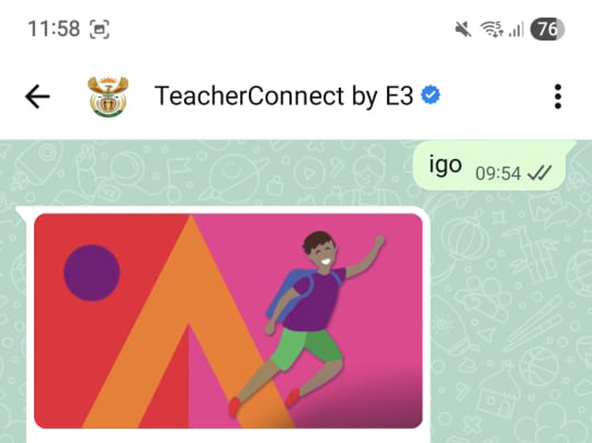
  • Works on 2G and basic devices
  • No app install required
  • Conversational, plain-language prompts
WhatsApp Inclinations intro screenshot

Channel 02

WEB-BASED

Expanded reporting and guidance tools for schools with stable connectivity.
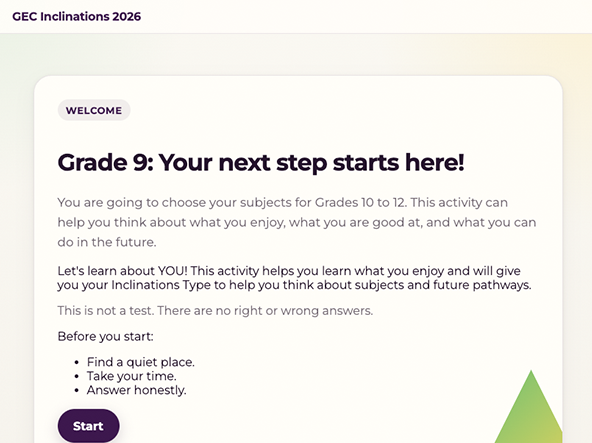
  • Best for desktops and tablets
  • Full reporting and dashboards
  • Ideal for school and district staff
Web Inclinations intro screenshot

Channel 03

Paper-based

Print-friendly forms designed for classrooms with limited internet access.
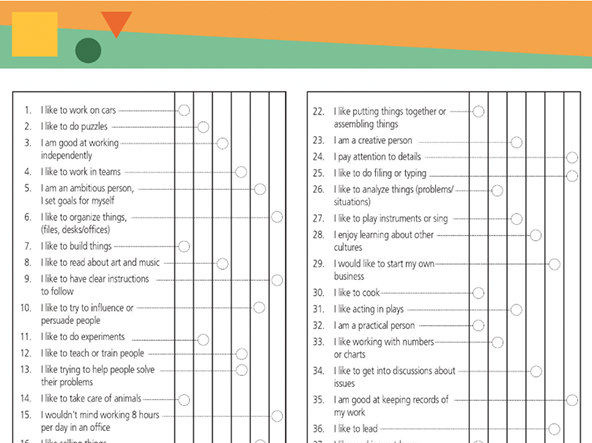
  • Easy to print
  • Easy to copy and share
  • Results captured later by the Teacher
Download forms
Paper-based Inclinations assessment screenshot

Why it matters

A foundation for confident decisions.

UNDERSTANDING STRENGTHS

Learners recognise the interests, preferences, and strengths that shape how they learn and engage with the world.

INFORMED SUBJECT CHOICES

Subject decisions supported by deeper insight into learner strengths, interests, and aspirations.

EXPLORING FUTURE PATHWAYS

Learners begin connecting who they are now with the opportunities they may wish to pursue in the future.

The teacher’s role

Inclinations are not tests to pass or fail. Teachers use them to guide reflection and support decisions.

Guide

Help Learners reflect on their results.

Interpret

Translate Learner types into real-world choices.

Support

Walk alongside families during important decisions.